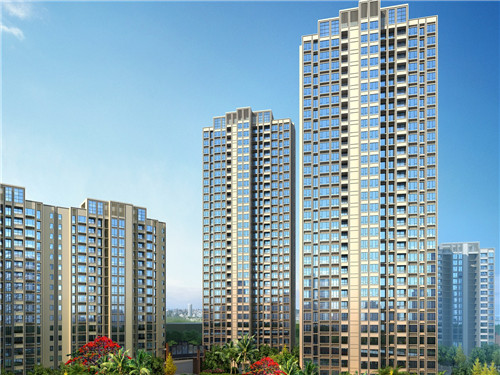
一栋楼和一幢楼的区别是:一、单位含义差异,栋它是计量单位,就像一桶水是一样的,而幢不仅可以作为计量单位,还可以作为描述单位;二、性质差异,幢是按照整个建筑的整体性来进行划分,而栋是指一幢建筑物里的单元;三、字面差异,一栋楼和一幢楼两者表达的意思差不多,可以互换使用,醉大的区别就在于字面上。购买楼层需要注意哪些1、根据自身需求来选择目前大多数人购买房子一般是根据两个目的来购买,一个是自住需求购买,还
一幢楼和一栋楼的区别有哪些英语
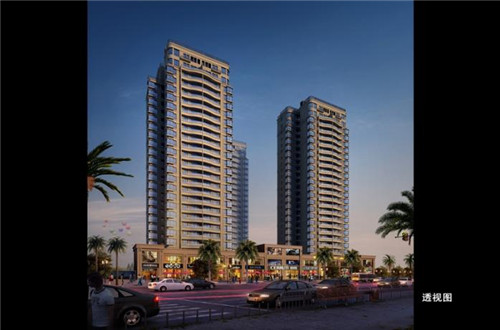
The main differences between a building and a skyscraper are as follows:
1. Height: The most obvious difference is their height. A building usually refers to a multi-story building, while a skyscraper has a height of more than 30 meters (about 100 feet). Skyscrapers are typically the tallest structures in cities.
2. Design: Skyscrapers often have unique and innovative designs, taking advantage of their height to create stunning views. In contrast, buildings may have more traditional and simpler designs.
3. Use: Skyscrapers can be used for various purposes, including residential, commercial, office, hotel, and entertainment. Buildings can also be used for different purposes, but the diversity of uses may be lower than that of skyscrapers.
4. Structure: Skyscrapers usually have a steel or concrete structure due to their height and load-bearing requirements. Buildings can use various materials, such as brick, concrete, glass, and steel, depending on their design and purpose.
5. Construction: The construction of skyscrapers often requires specialized techniques and equipment, as their height and complexity increase the challenges. The construction of buildings can vary depending on their size and design, but may not require the same level of specialized techniques.
In summary, the main differences between a building and a skyscraper lie in their height, design, use, structure, and construction. Skyscrapers are typically taller, more innovative, and can be used for a variety of purposes, while buildings may have simpler designs and be used for fewer types of purposes.
一幢楼和一栋楼的区别有哪些
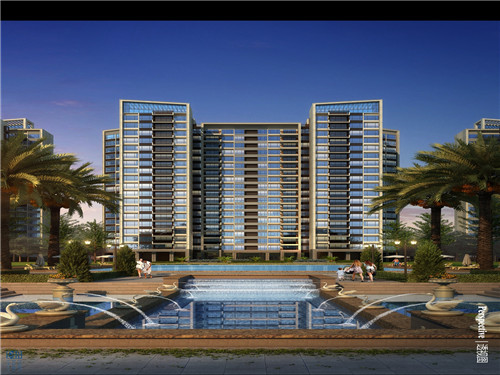
一幢楼和一栋楼之间的区别主要体现在以下几个方面:
1. 定义与范畴:
* “一幢楼”通常指的是一个单独的建筑物,它可能包含多个单元、楼层或房间。这个术语在描述单个建筑实体时使用。
* “一栋楼”则更广泛地指代整个建筑群,这些建筑可以是住宅、商业、办公或其他用途。它可能包含多幢建筑物,这些建筑物通过道路、绿化带等相互连接。
2. 结构与组成:
* “一幢楼”往往是一个独立的整体结构,具有完整的建筑功能和设施。例如,它可能包括一个停车场、一个办公区和一个住宅区。
* “一栋楼”则可能由多个相对独立的建筑部分组成,这些部分可能共享某些基础设施,如电梯、走廊或外墙。这些部分可能是后来添加的,或者属于不同的所有权和管理实体。
3. 规模与容量:
* “一幢楼”的规模通常较小,可能只容纳几十到几百人。
* “一栋楼”则可能代表更大的建筑群,能够容纳数千甚至数万人,这取决于其设计和用途。
4. 设计与规划:
* “一幢楼”在设计和规划上可能更加集中和统一,以适应特定的功能需求。
* “一栋楼”则可能包含多个相对独立的设计元素和规划理念,这反映了建筑群的整体多样性和复杂性。
5. 法律与产权:
* “一幢楼”在法律上通常被视为一个独立的实体,拥有自己的产权和法律责任。
* “一栋楼”则可能涉及多个法律实体和产权所有者,这取决于其所有权和管理结构。
综上所述,“一幢楼”和“一栋楼”在定义、结构、规模、设计以及法律方面都存在明显的区别。这些区别使得这两个术语在描述不同类型的建筑实体时具有不同的准确性和适用性。